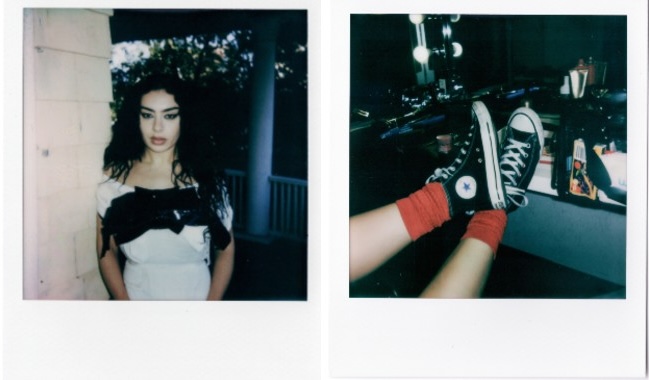
Oscar Eavis, co-founder and Strategy Director at creative agency Mox, argues that most brand-artist collaborations aren’t collaborations, they’re talent rentals with a sexy co-creation sticker on them, so what’s the secret to a successful partnership?
Collaborations can often go something like this: The brand arrives with the world already built, the script already locked, the visual language already decided. Then the artist gets dropped in like a mannequin with a following.
The brief screams for ‘authenticity’ but the brand makes sure the whole thing is thoroughly sanitised beyond recognition. Most brands pick artists based on follower count, not creative compatibility. That’s model casting, not artist collaboration. The creative world is built around the brand first and the artist a distant second. And that’s why we can find multi-million pound ‘collabs’ a little cringe. Here’s a simple litmus test. If you can swap the artist out and the campaign still works, what was the point? Celebrity endorsements will continue to have impact regardless of creativity. But when the work is genuinely co-created, you feel it immediately and so do the fans – good partnerships happen when all parties build entire worlds together from scratch. But every version has one thing in common. The brand has to give up control. If you can swap the artist out and the campaign still works, what was the point?
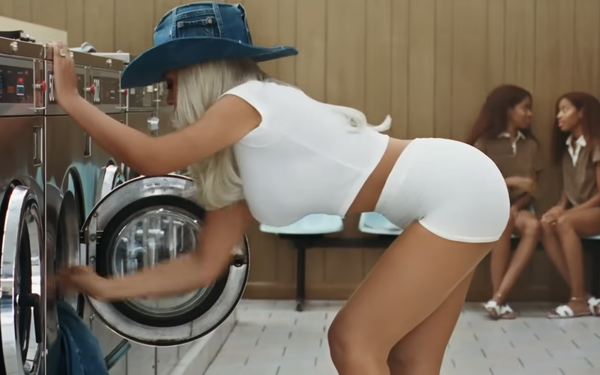
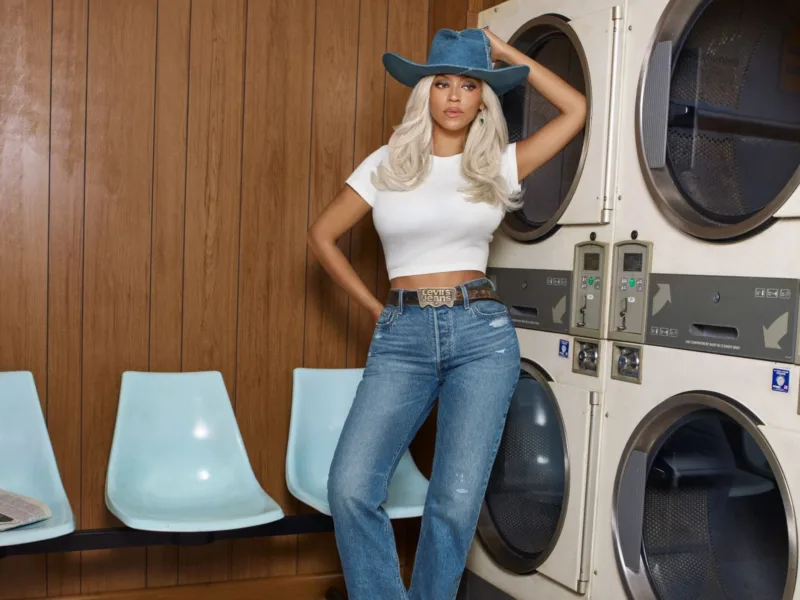
Levi’s x Beyoncé: Jump on the bandwagon (and do it well)
Beyoncé wrote a song called Levi’s Jeans for her 2024 album Cowboy Carter. She didn’t write it for a campaign. She wrote it because Levi’s was part of her story. Destiny’s Child wore Levi’s when high-end designers wouldn’t dress them, so the song came from something real. When the album dropped, you can only imagine the scenes at Levi’s HQ. They were smart enough to recognise what had just landed in their lap. They strutted through the saloon doors she’d opened, built a year-long campaign across four chapters, reimagining their own archive ads through her lens, and let Cowboy Carter be the creative engine. The first commercial alone hit 2.4 billion impressions in under a month. This is what it looks like when a brand doesn’t try to own the moment but recognises one. Levi’s didn’t create the world. They entered it. Opportunistic, yes. But brilliantly so.
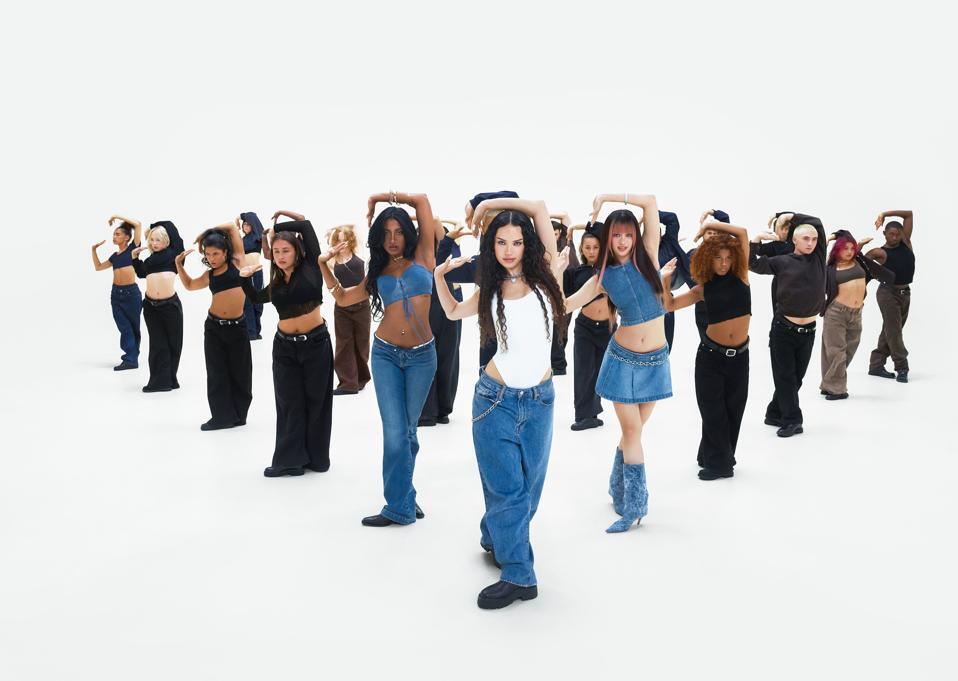
Gap: Build the world and let artists do what they do best
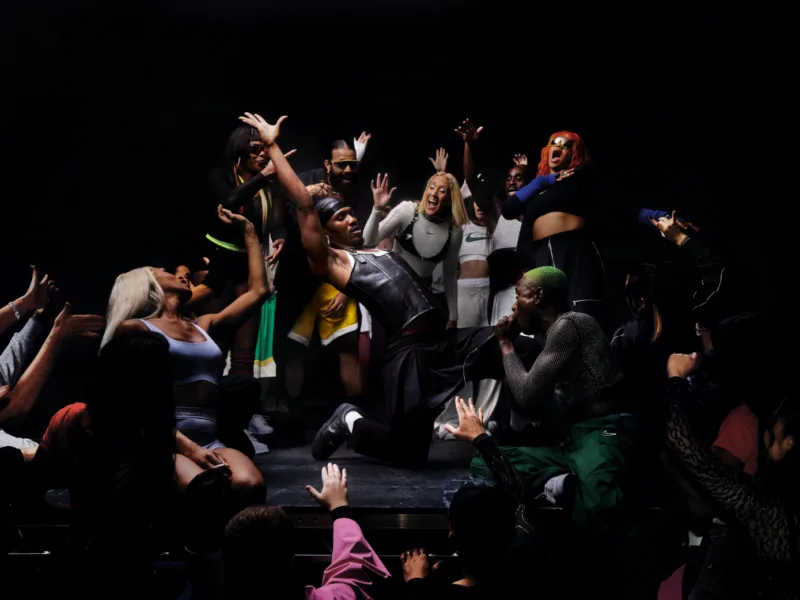
Gap has been on a generational run and honestly, fair play to them. Troye Sivan dancing to Thundercat. Tyla moving to Jungle. Katseye performing to Kelis. The formula is sharp. Take an iconic track with existing cultural momentum, pair it with an artist who can move, build choreography that lives on TikTok, and let it tear up For You Pages. Better in Denim with Katseye hit eight billion impressions and outperformed their four previous campaigns combined. You don’t argue with numbers like that. And they’re evolving it. Gap’s recent Young Miko campaign pushed the format into a full music video built around her own track, giving the artist more creative ownership even if it meant losing the viral collision of artist meets iconic song that made the others (arguably) explode more. But here’s the thing. It’s still Gap’s world. Gap builds the set, sets the format, designs the choreography. The artist performs inside that framework. When the casting is perfect, it looks like magic. When the fit is slightly off, you see the tick box exercise. And that’s the ceiling with this model. The work can be brilliant. But there’s only so many times you can put an artist in a blank room and dance before people start tuning out.
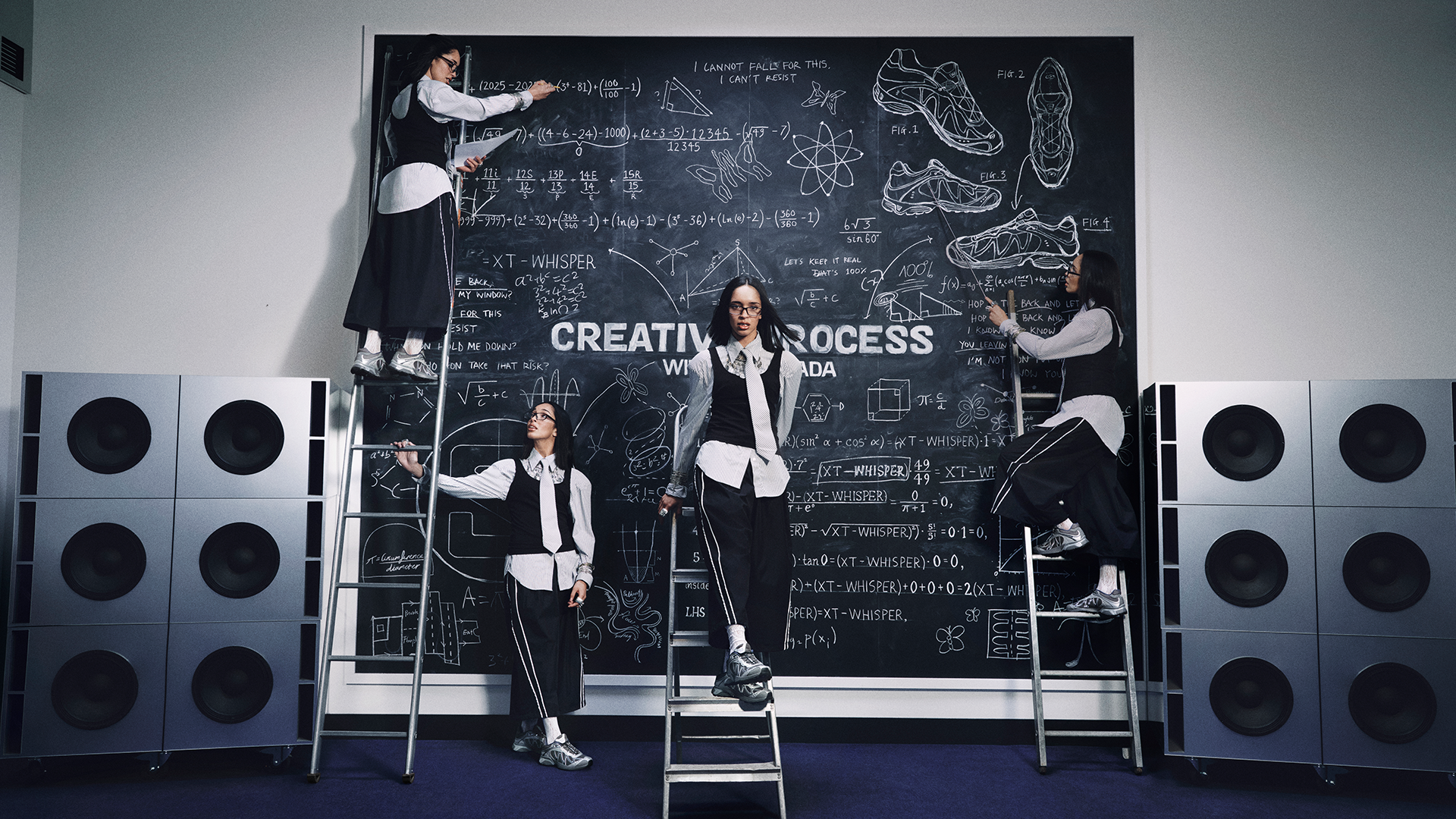
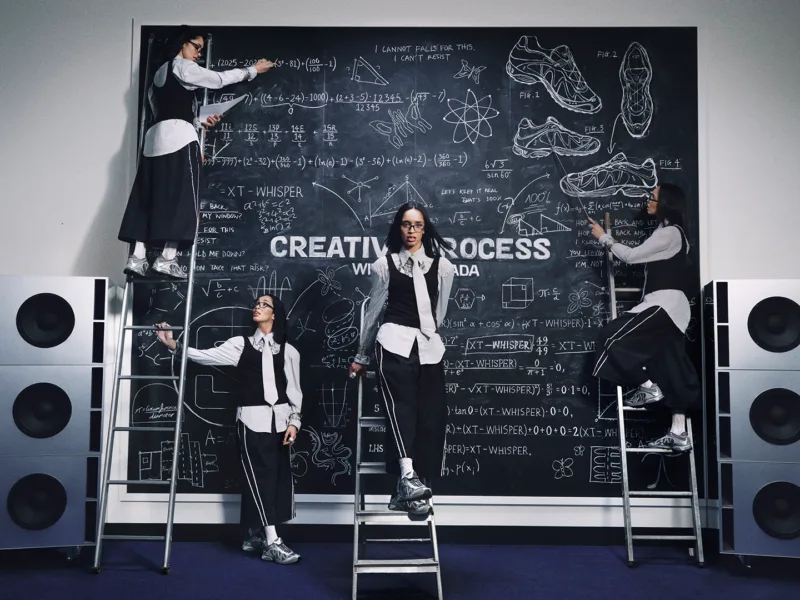
Salomon x Dina Ayada: Build the world together
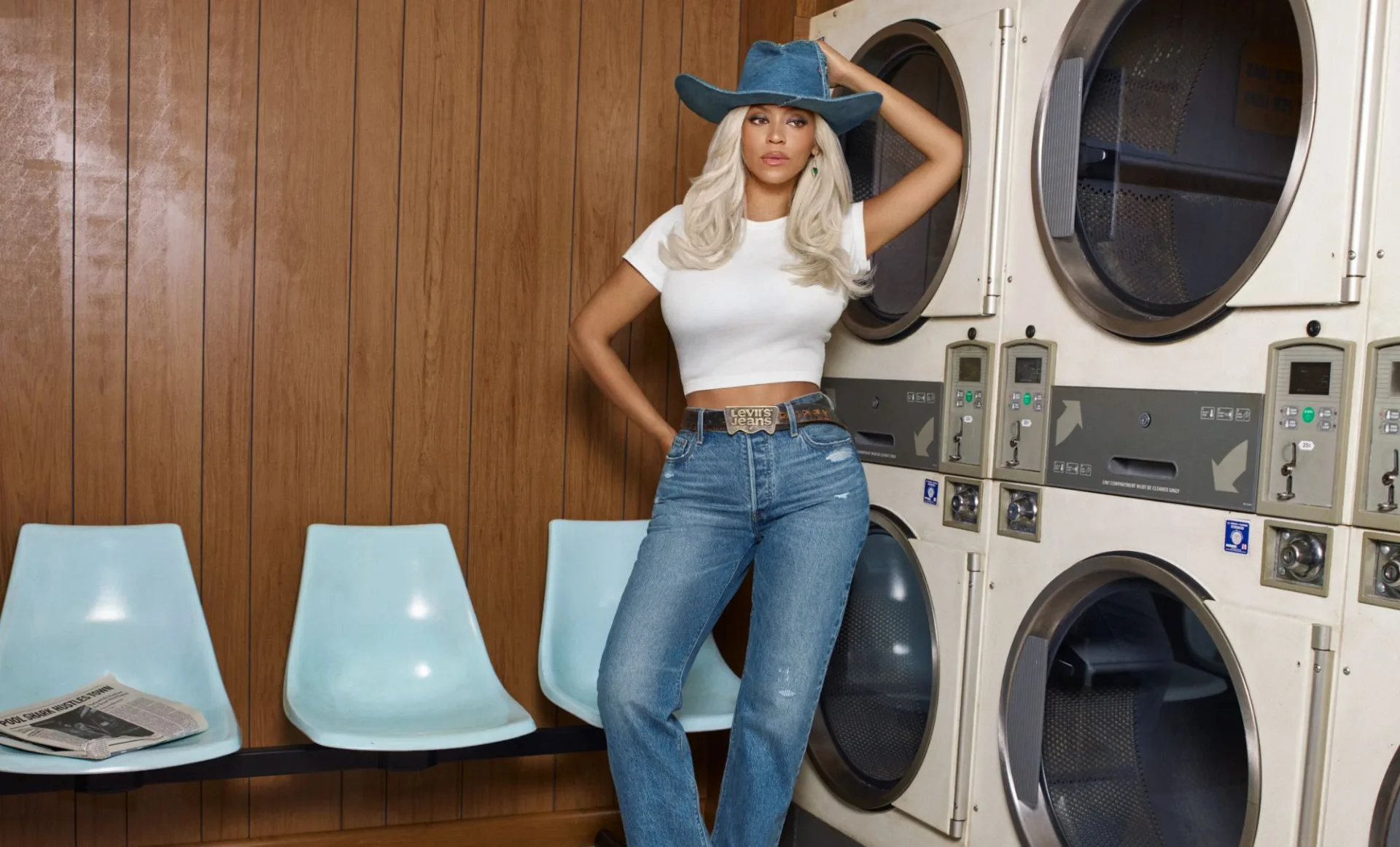
When we worked with Salomon on the XT-Whisper, everything started with the artist: Dina Ayada’s creative process; her music; her movement; her story. We built talent filters around creative compatibility, genre-bending instinct, and cultural momentum to find someone whose world genuinely overlapped with the Whisper. The campaign world, Whisper University, came from her real experience of dropping out of law school to follow her dreams. A surreal campus where ideas evolve from silence to freestyle. The XT-Whisper acts as the catalyst inside that world, triggering each transformation. The shoe belongs in the story because the story was built around a real life. Strip Ayada out and the whole thing collapses: there’s no Whisper University without her in it. Neither the brand nor the artist could have made this alone. We entered Dina’s world and reimagined it together. Finding artists whose creative vision actually overlaps with what your brand stands for – rather than artists whose audience overlaps with who you want to reach – leads to better work. The future of brand-artist collaborations isn’t bigger names or louder campaigns. It’s shared worlds.

